Air Brake Systems: Operation, Components, and Maintenance
Understand how air brake systems work for heavy vehicles: components, the role of air calipers, preventive maintenance, and Canadian standards for buses and trailers.
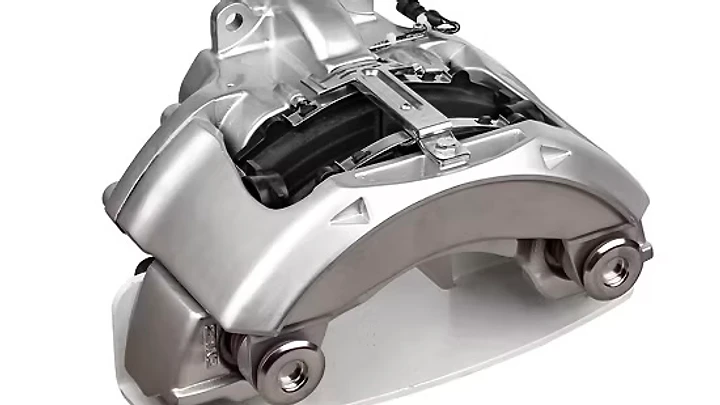
Air brake systems equip most heavy commercial vehicles: buses, trailers, heavy trucks, and transport vehicles. Understanding how they work, their components, and their maintenance requirements is essential for carriers, fleet managers, and maintenance shops in Quebec and Ontario. This guide covers the basics of air braking and the central role of air calipers.
How does an air brake system work?
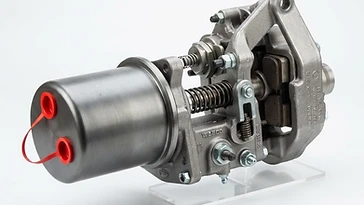
Unlike car hydraulic systems, which use brake fluid, air brake systems use compressed air to actuate the brakes. The principle is simple: an engine-driven air compressor generates compressed air stored in reservoirs. When the driver presses the brake pedal, compressed air is routed to the air calipers (or brake chambers), which convert pneumatic pressure into mechanical force to clamp the pads against the rotors or drums.
Air brake systems are preferred for heavy vehicles because they offer considerable braking power, high reliability, and the ability to brake multiple axles simultaneously. Moreover, in the event of an air leak, the system is designed to automatically apply the brakes as a safety feature (spring brakes).
Main components of an air brake system
- Air compressor — supplies the system with compressed air, driven by the vehicle engine.
- Air reservoirs — store compressed air for immediate braking use.
- Pressure regulator — maintains air pressure within a safe range.
- Control valves — distribute air to front and rear axles as needed.
- Air calipers (brake chambers) — convert pneumatic pressure into mechanical force to actuate the brakes.
- Spring brakes (emergency) — automatically apply the brakes if air pressure is lost.
The air caliper is the component that converts air pressure into braking force. That's why its proper operation is critical to vehicle safety. See our complete guide to remanufactured air calipers to learn more.
The role of the air caliper in the system
The air caliper is the interface between pneumatic pressure and mechanical braking force. When compressed air enters the caliper chamber, it pushes a piston that in turn pushes the brake pads against the rotor (or drum). The braking force is proportional to the air pressure applied.
A faulty air caliper can lead to pressure loss, uneven braking, overheating, or even complete brake failure. That's why regular inspection and remanufacturing of air calipers is essential for heavy-vehicle safety.
Preventive maintenance of air brake systems
A rigorous preventive maintenance program extends system life and prevents costly failures. Here are the recommended checkpoints:
- Air pressure check — ensure the compressor maintains adequate pressure.
- Reservoir drainage — evacuate accumulated moisture and contaminants.
- Air line inspection — detect leaks, cracks, or wear.
- Air caliper inspection — check sealing, piston movement, and component wear.
- Spring brake test — ensure spring brakes engage if pressure is lost.
- Pad check — inspect pad and rotor wear.
Canadian standards for air braking
In Canada, air brake systems on heavy vehicles are subject to strict standards. Carriers must ensure their vehicles meet provincial and federal requirements, including periodic inspections, preventive maintenance, and record-keeping. In Quebec and Ontario, annual mechanical inspections (Preventive Maintenance Program) include a thorough check of the air brake system.
An air caliper remanufactured by a specialized shop like Canada Calipers helps maintain compliance while reducing costs. Visit our air calipers for buses and trailers page to learn more.
Conclusion
Air brake systems are essential to the safety of heavy commercial vehicles. Understanding their operation, components, and maintenance requirements helps carriers keep their fleets compliant while optimizing costs. For air calipers, remanufacturing by a specialized shop is both an economical and reliable solution.
For a detailed guide on air caliper remanufacturing, see our article on remanufactured air calipers.