
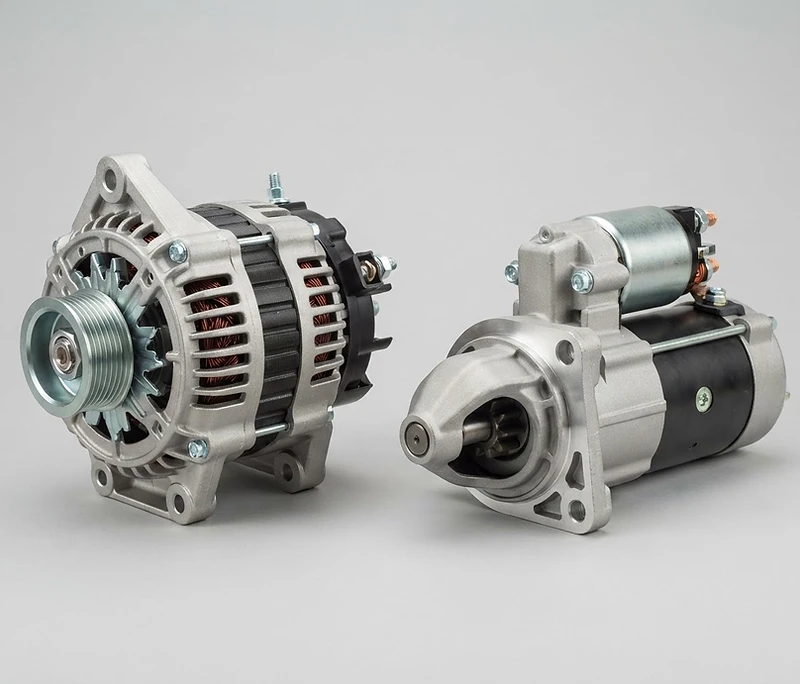
New and remanufactured alternators and starters
The alternator charges the battery and powers the electrical system while the engine runs. The starter cranks the engine. We offer new and remanufactured options depending on the application.
Rigorous remanufacturing
Every part inspected and tested.
Fast response
Response within 48 hours.
Quebec and Ontario
Workshop in Sainte-Thérèse.
Regional delivery
Based on region and order.
The role of the alternator and starter
The alternator maintains battery charge and powers accessories. The starter provides the initial torque to crank the engine. These components place significant demand on the electrical system.
The alternator and the starter are two complementary components of the vehicle's electrical system. The alternator converts mechanical energy from the engine into electrical energy, charging the battery and powering accessories: headlights, air conditioning, electronic systems. The starter, for its part, provides the initial torque that cranks the engine at start-up.
These components are subject to significant stress: high temperatures, vibration, and continuous electrical load. Over time, brushes, bearings, and regulators can wear out, requiring repair or replacement.
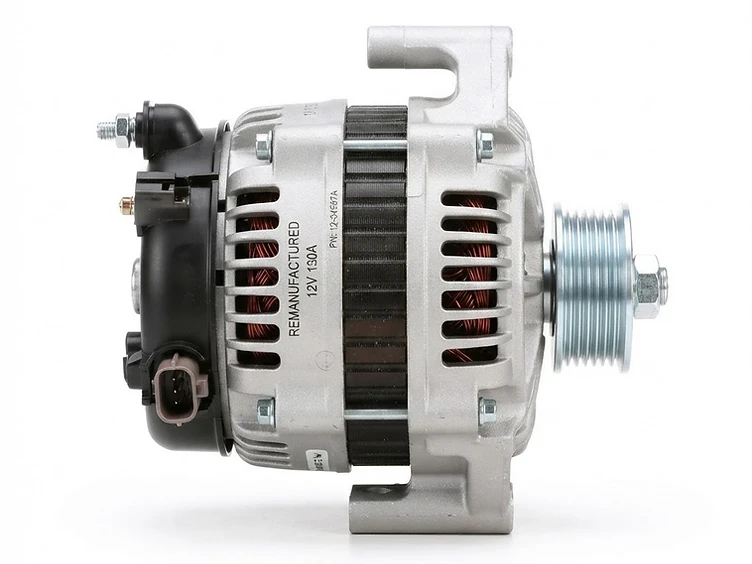
Available options
Depending on the application, we offer new or remanufactured alternators and starters. Availability depends on the reference.
Depending on the application, we offer new or remanufactured alternators and starters. Availability depends on the reference and vehicle. Core exchange may be offered for certain categories.
Remanufacturing includes replacement of brushes, bearings, regulators, and other wear components, restoring the unit's original reliability at an advantageous cost.
Remanufacturing alternators and starters
The process includes inspection, cleaning, replacement of wear components, and testing, to the extent confirmed by the business.
Remanufacturing an alternator or starter includes:
Inspection — assessment of condition, brushes, bearings, and regulator. Disassembly — component separation and cleaning. Replacement — installation of new brushes, bearings, and wear components. Rebuilding — assembly to specifications. Testing — verification of charge, cranking, and operation.
This process ensures that every unit returned to service meets the electrical requirements of the modern vehicle.
- Inspection of alternator or starter
- Disassembly and deep cleaning
- Replacement of brushes and bearings
- Regulator verification
- Rebuilding to specifications
- Charge and cranking test
Signs of failure
Battery warning light on the dashboard, slow cranking, burning smell, or a battery that discharges quickly may indicate a tired alternator. Difficult starting may point to the starter.
Several signs may indicate a tired alternator or starter:
Battery warning light on the dashboard — a sign of undercharging. Slow cranking — a starter losing efficiency. Burning smell — alternator overheating. Battery that discharges quickly — an alternator that no longer charges. Click without starting — a faulty starter.
A charging-system test can confirm the diagnosis.

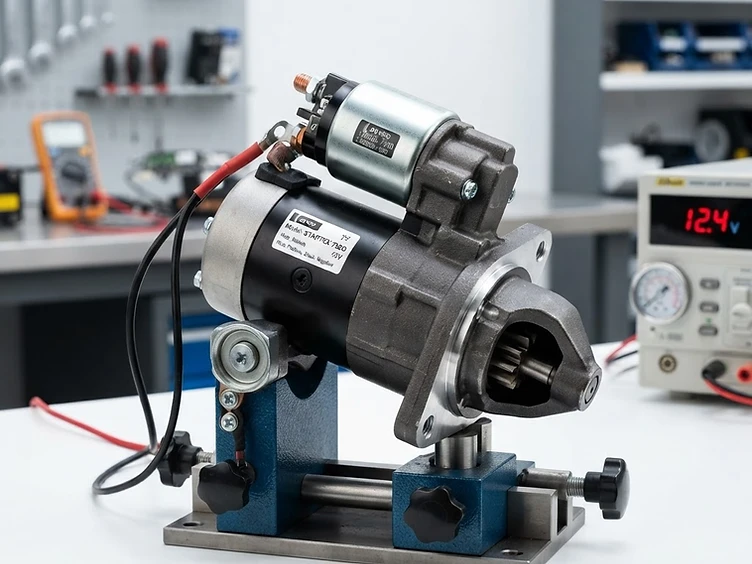
Information to provide
Year, make, model, engine, amperage if known, and part number if available.
To identify the right alternator or starter, gather:
Year of the vehicle, make, model, engine (or trim). Amperage of the alternator if known (often on the label). OEM part number if available. Vehicle type: passenger or commercial.
The more precise the information, the faster the identification. Submit these details in the quote form.
Related services
Why choose a remanufactured part?
Remanufacturing offers excellent value for money while reducing environmental impact.
Savings
Up to 50% cheaper than a new part, without compromising function.
Reliability
New brushes, bearings, and regulators, tested in the workshop.
Eco-friendly
Reduced waste and material waste.
Availability
Access to parts where new supply is limited.
Our remanufacturing process
Every component follows a structured, controlled process adapted to its type.
Inspection
Assessment of alternator or starter and its components.
Disassembly and cleaning
Component separation and deep cleaning.
Rebuilding
Replacement of brushes, bearings, and regulators.
Testing and validation
Verification of charge, cranking, and operation.
Frequently asked questions
Do you offer new or remanufactured parts?
Both, depending on the application and availability. We offer new or remanufactured alternators and starters, depending on the reference and vehicle.
What information to provide?
Year, make, model, engine, amperage if known, and part number. The more precise the information, the faster the identification.
For which customers?
Garages, parts stores, and individuals across Quebec and Ontario. We serve passenger and commercial applications.
How to spot a tired alternator?
Battery warning light on, slow cranking, burning smell, or a battery that discharges quickly. A charging-system test can confirm.
What is the difference between an alternator and a starter?
The alternator charges the battery and powers the electrical system while the engine runs. The starter provides the initial torque to crank the engine at start-up.
Do you offer core exchange?
For certain categories; confirm when you request. Core exchange allows you to return the old part for a discount.

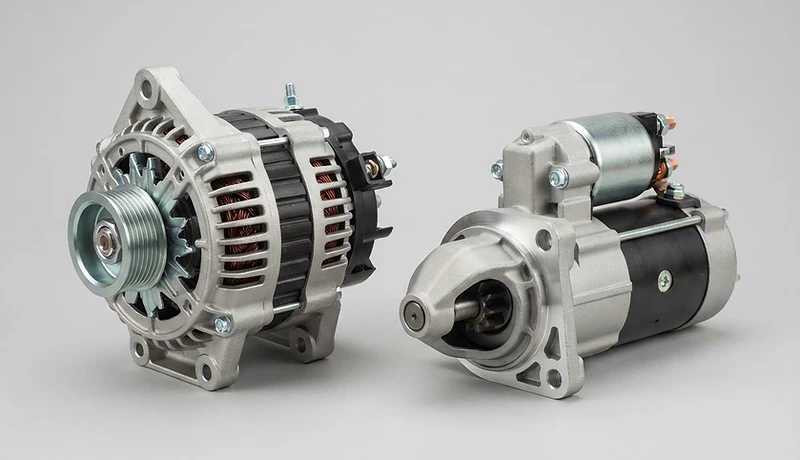
Remanufactured parts that meet your standards
Every component is inspected, remanufactured, and tested under a rigorous process. We deliver reliable parts to garages, retailers, and fleets across Quebec and Ontario.
100%
parts tested
48h
response time
2
provinces served
Tips & Guides
Articles and technical advice on automotive part remanufacturing, including air calipers for buses and trailers.

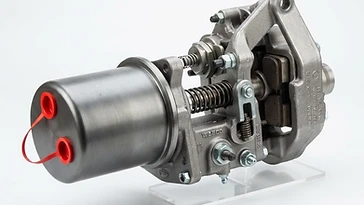
Air Braking
Remanufactured Air Calipers: Complete Guide for Fleets and Carriers
Complete guide to remanufactured air calipers for buses, trailers, and heavy trucks: remanufacturing process, benefits, failure signs, and part identification for carriers in Quebec and Ontario.

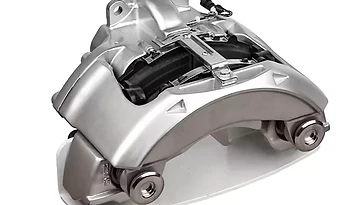
Air Braking
Air Brake Systems: Operation, Components, and Maintenance
Understand how air brake systems work for heavy vehicles: components, the role of air calipers, preventive maintenance, and Canadian standards for buses and trailers.

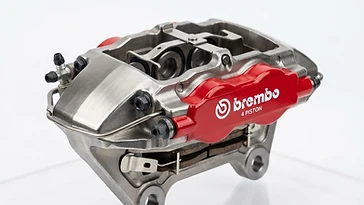
Braking
Remanufactured Brake Calipers: A Complete Guide for Shops and Vehicle Owners
Everything you need to know about remanufactured brake calipers: process, benefits, failure signs, and selection criteria for garages and fleets in Quebec and Ontario.

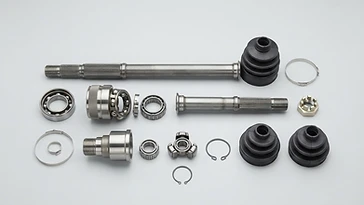
Drivetrain
Remanufactured vs New CV Axles: Which Should You Choose?
Remanufactured or new CV axles? A comparison of cost, durability, and availability for cars, SUVs, and light trucks in Canada.

Remanufacturing
Automotive Part Remanufacturing: The Environmental Benefits Explained
Remanufacturing reduces metal waste, carbon footprint, and raw material consumption. Discover why it's a sustainable choice.