Automotive Part Remanufacturing: The Environmental Benefits Explained
Remanufacturing reduces metal waste, carbon footprint, and raw material consumption. Discover why it's a sustainable choice.
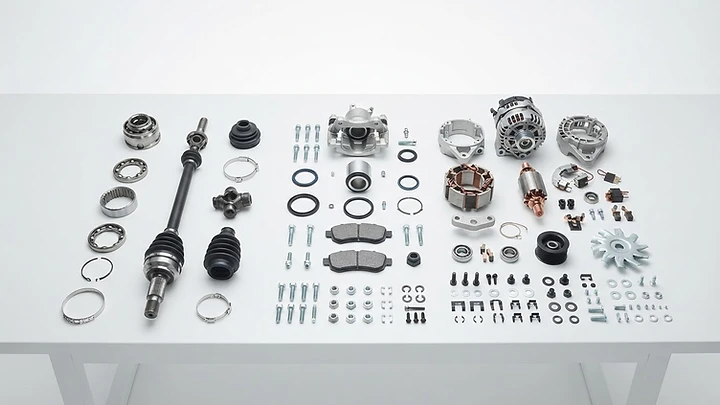
Automotive part remanufacturing is one of the most concrete practices of the circular economy. Rather than discarding a failed component, it's given a second life. For garages, parts stores, and fleets in Quebec and Ontario, it's a way to combine cost control with environmental responsibility.
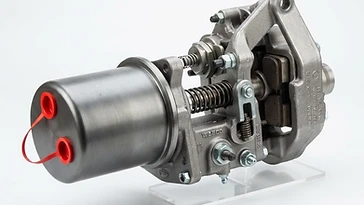
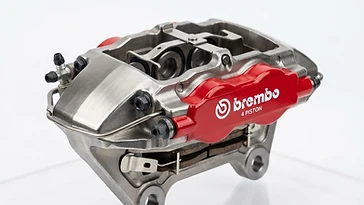
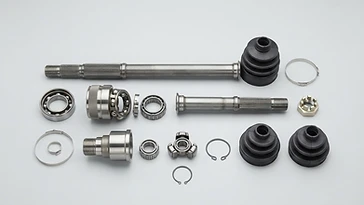
At Canada Calipers, we remanufacture brake calipers, CV axles, alternators, starters, and steering racks. Here's why it matters for the environment.
Reducing metal waste
Every year, thousands of automotive components are scrapped even though their metal body is still in good condition. Remanufacturing retains that body and only replaces the wear parts. The result: less metal waste sent to recycling centers or landfills.
A brake caliper, for example, often weighs over a kilogram. Remanufacturing it rather than systematically replacing it avoids the production of a new cast-iron or aluminum body — an energy-intensive operation.
A reduced carbon footprint
Manufacturing a new part requires extracting raw materials, processing them, transport, and machining. Each step emits greenhouse gases. Remanufacturing short-circuits much of this cycle: starting from an existing component significantly reduces the associated carbon footprint.
For commercial fleets maintaining dozens of vehicles, the cumulative impact is significant.
Conserving raw materials
Remanufacturing preserves non-renewable resources — steel, aluminum, copper — by giving them a functional second life. This reduces pressure on mines and foundries and contributes to more responsible resource management.
It's especially true for components like alternators and starters, which contain copper and rare earths. See our alternators and starters page to learn more.
An economic AND ecological choice
Remanufacturing isn't just a gesture for the planet: it's also an economic choice. A remanufactured part generally costs less than a new one, with comparable performance. It's a double advantage that appeals to both the vehicle owner and the fleet manager.
To compare, read our comparison of remanufactured vs new CV axles.
Our commitment
At Canada Calipers, we apply a rigorous remanufacturing process: inspection, disassembly, cleaning, wear-component replacement, and testing. Our workshop in Sainte-Thérèse serves Quebec and Ontario. By choosing remanufactured, you contribute to more sustainable mobility without compromising safety.
Also read our guide on remanufactured brake calipers or explore our full range of remanufactured auto parts.